
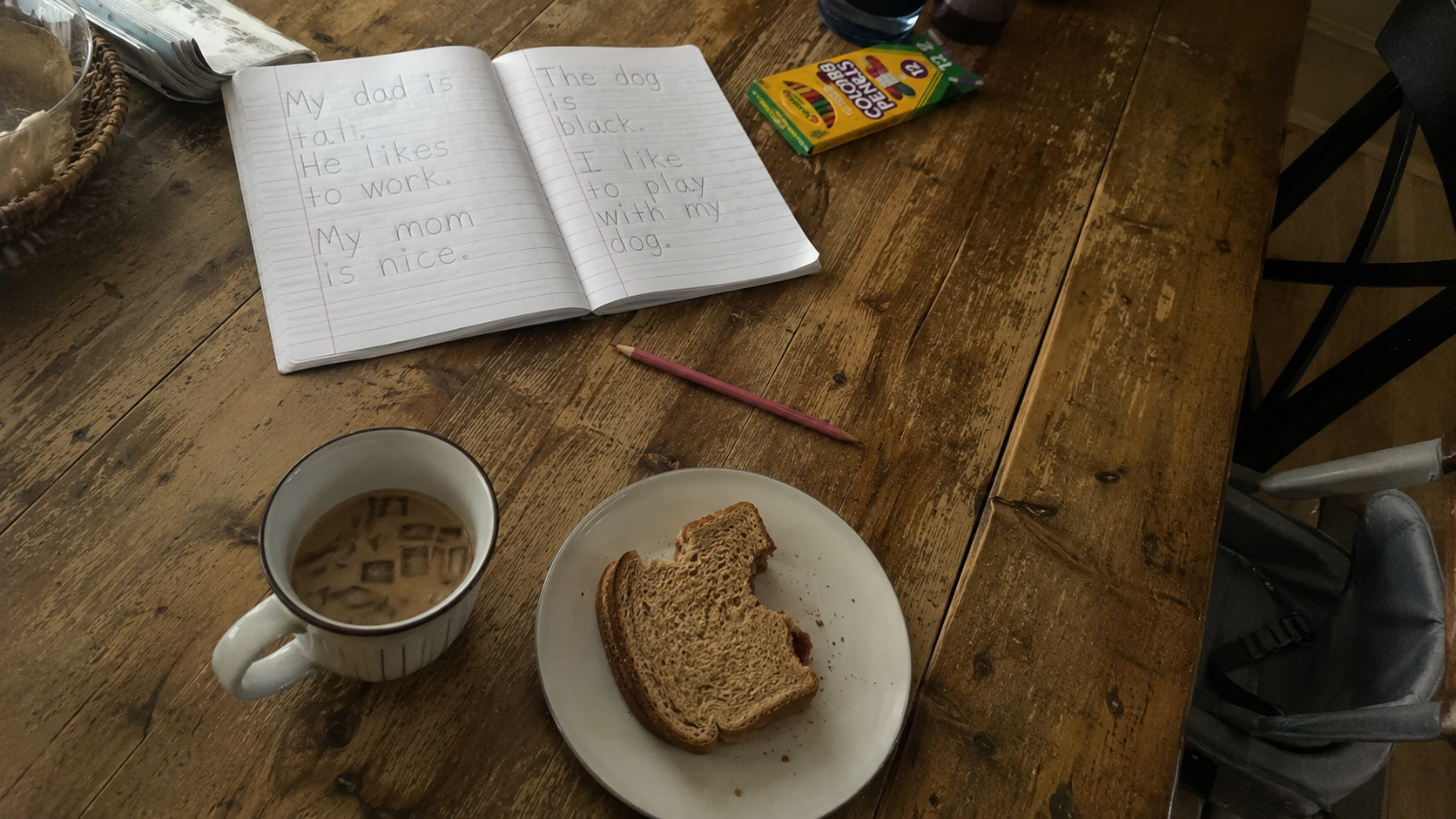
I used to think raising a cooperative learner would come naturally if I just followed the right parenting rules. I am often told by friends and neighbors that I am lucky to have a child who actually cooperates with learning. People assume it is just natural luck, or that my son was simply born with a compliant personality. But if you ask me what actually changed things, it has very little to do with luck. Over the past few years, I had to completely unlearn the rigid parenting rules I thought I needed, and instead, I had to learn how to step back and listen.
If you are a mother looking for a calmer, happier way to guide your child through their early education without daily screaming matches, here are the real, unpolished practices that finally worked for us.
1. Introduce Learning Early, But Keep It Rooted in Play
Before my son turned three, I didn’t care about flashcards, letters, or early reading apps. My entire focus was on gross motor skills, fine motor coordination, and basic physical health. We spent our days outside, building things with blocks, talking, reading simple stories, and letting him figure out how his body moved in the physical world.
It wasn’t until he could speak clearly, follow basic instructions, and communicate his needs that I slowly introduced structured activities like basic arts and languages. I watched him closely to see what genuinely captured his attention. When I stopped trying to fit him into the same routine every other child seemed to follow, he fought me less. I started paying attention to what worked for him instead. For us, cooperation wasn’t about making him obey. It was about finding a way of learning that he could actually live with.
2. Always Give a Heads-Up Before a Transition
Children hate abrupt changes just as much as adults do, if not more. For a long time, I used to demand instant obedience: “Put your toys away right now and sit at the desk.” Unsurprisingly, it always resulted in a meltdown.
Eventually, I learned the simple power of a heads-up. Before any shift in our routine—whether it is sitting down for a study session, planning our week, or wrapping up playtime—I let him know what is coming. When children are given advance notice, they feel a sense of control over their time. Respecting their autonomy is the fastest way to earn their cooperation.
3. Drop the Perfection and Downsize the Schedule
I used to suffer from extreme planning fatigue. I wanted our days to look like a Pinterest board, packed with educational activities, reading logs, and creative projects. But all it did was exhaust both of us and turn our home into a pressure cooker.
Every few weeks now, I ruthlessly audit our routine. If a learning goal or an activity feels like a chore that creates tension, I drop it. A child might cooperate for a day or two under a strict schedule, but a sustainable rhythm is what actually matters over the long run. Learning should feel like a steady current, not a flood.
4. Praise the Effort and the Process, Not Just the Grades
It is easy to fall into the habit of praising outcomes: “Good job on getting an A!” or “Look at this perfect drawing!” But I realized that praising only results teaches children to fear failure.
Instead, I started focusing my words on the invisible habits that lead to success:
- “I noticed how patient you were with that math puzzle instead of giving up.”
- “Your handwriting is getting so much cleaner because you’ve been practicing your grips.”
- “You’ve been reading so consistently lately, your pacing sounds wonderful.”
Just like adults appreciate being recognized by a manager for hard work behind the scenes, children need to know that their persistence is being seen.
5. Protect the Balance Between Focus and Rest
Weekends in our house look very different from weekdays. We intentionally scale back academic tasks to leave room for unstructured play, messy art projects, or visiting family.
As the psychologist Jean Piaget noted in his theories on child development, children process and consolidate information best when they are given the cognitive space to explore freely. You cannot force constant productivity without burning them out. A fire needs oxygen and empty space between logs to keep burning steadily, and a child’s love for learning requires the exact same breathing room.
6. Understand Child Psychology Without Relying Solely on Material Bribes
Let’s be honest: kids love rewards. In the early months of encouraging independent habits, I wasn’t above using small incentives like an extra bedtime story, a trip for ice cream, or a new book.
However, I treated rewards as celebrations of a milestone rather than transactional bribes. Going out for ice cream wasn’t just about a finished workbook; it was about sharing a quiet afternoon together. Over time, as those good habits solidified, we phased out the tangible treats entirely because the intrinsic joy of mastering a new skill became its own reward.
7. Remember That They Are Still Just Growing Up
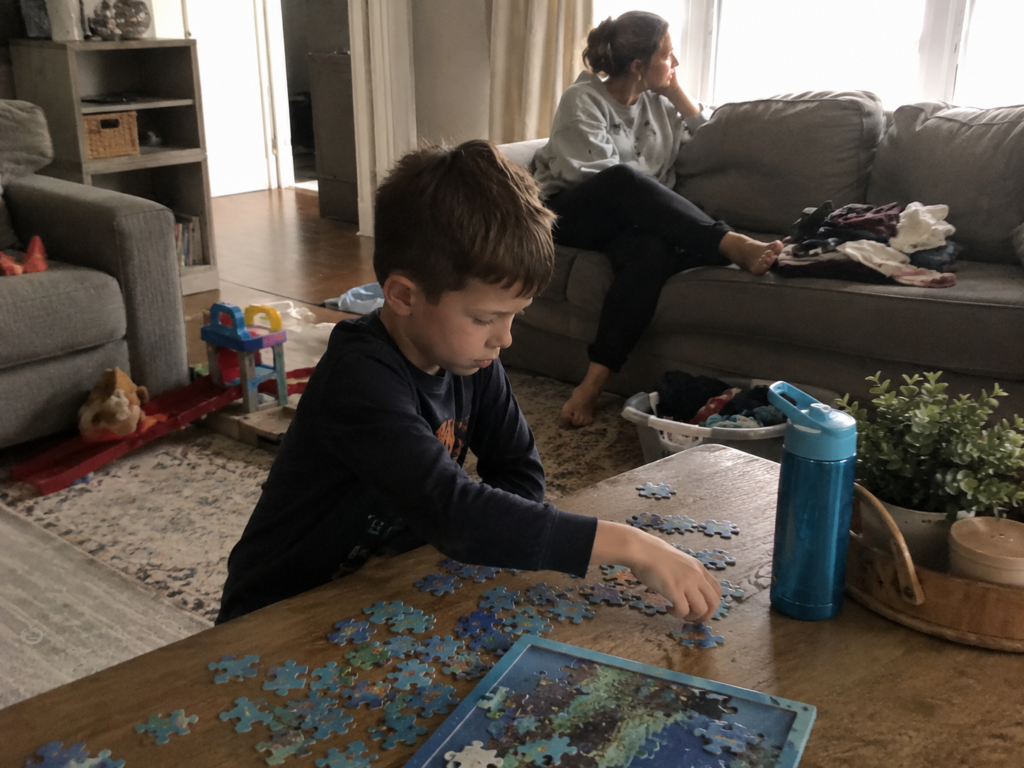
For the longest time, I made the mistake of expecting emotional maturity from a child who was still figuring out how to regulate his own nervous system. I would talk to him like a miniature adult and expect him to rationalize his frustration instantly.
Once I accepted that he is simply a little human being learning how to navigate big emotions, my own anger melted away. I learned to use simpler words, to allow space for mistakes, and to apologize when I lost my temper. Lowering my rigid, unrealistic expectations didn’t just help him; it brought profound peace to my own mind.
Parenting is hard work, but trying to force a child to cooperate through sheer willpower is a losing battle. When you slow down, observe their natural rhythms, and meet them where they are, everything starts to flow much more gently.