
I used to think it was totally normal for people to put their best foot forward on social media—after all, who doesn’t want to share the best parts of their life? But a recent experience with a woman I met online completely changed my perspective on modern dating red flags.
At first, everything seemed promising. She appeared put-together, tasteful, and driven. But as I got to know her better, I was shocked to realize I was being pulled into a deeply transactional and toxically demanding dynamic.
I’m sharing my story not to put anyone down, but because I realized this is one of the biggest modern dating red flags that way too many of us run into when dating nowadays.
The Illusion of the “High-Value” Online Persona
When I first came across her profile, I was genuinely impressed. She was in her early twenties, and her social media was a curated masterpiece of healthy living and personal growth.
Every day, her stories featured early morning runs, Pilates sessions, stack of self-help books, English learning milestones, and heartwarming photos with rescue pets. She posted about her frequent business trips and sleek office outfits. To any bystander, she was the epitome of an independent, intellectual, and high-achieving young woman.
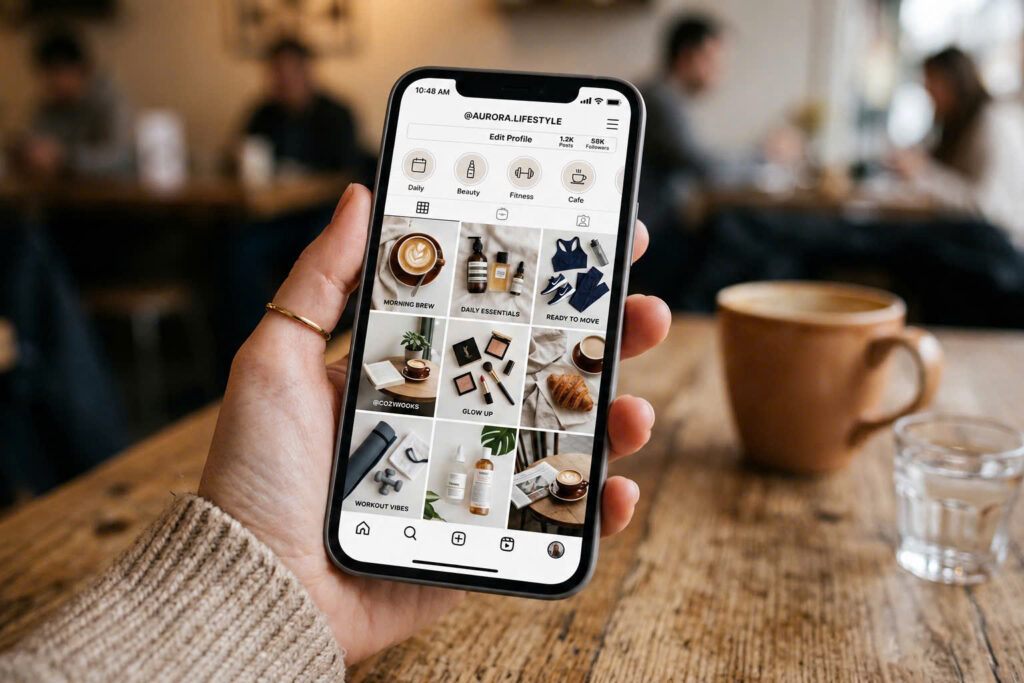
Sure, there was a bit of vanity—meticulously posed selfies and aesthetic coffee cups—but who isn’t a little vain online these days?
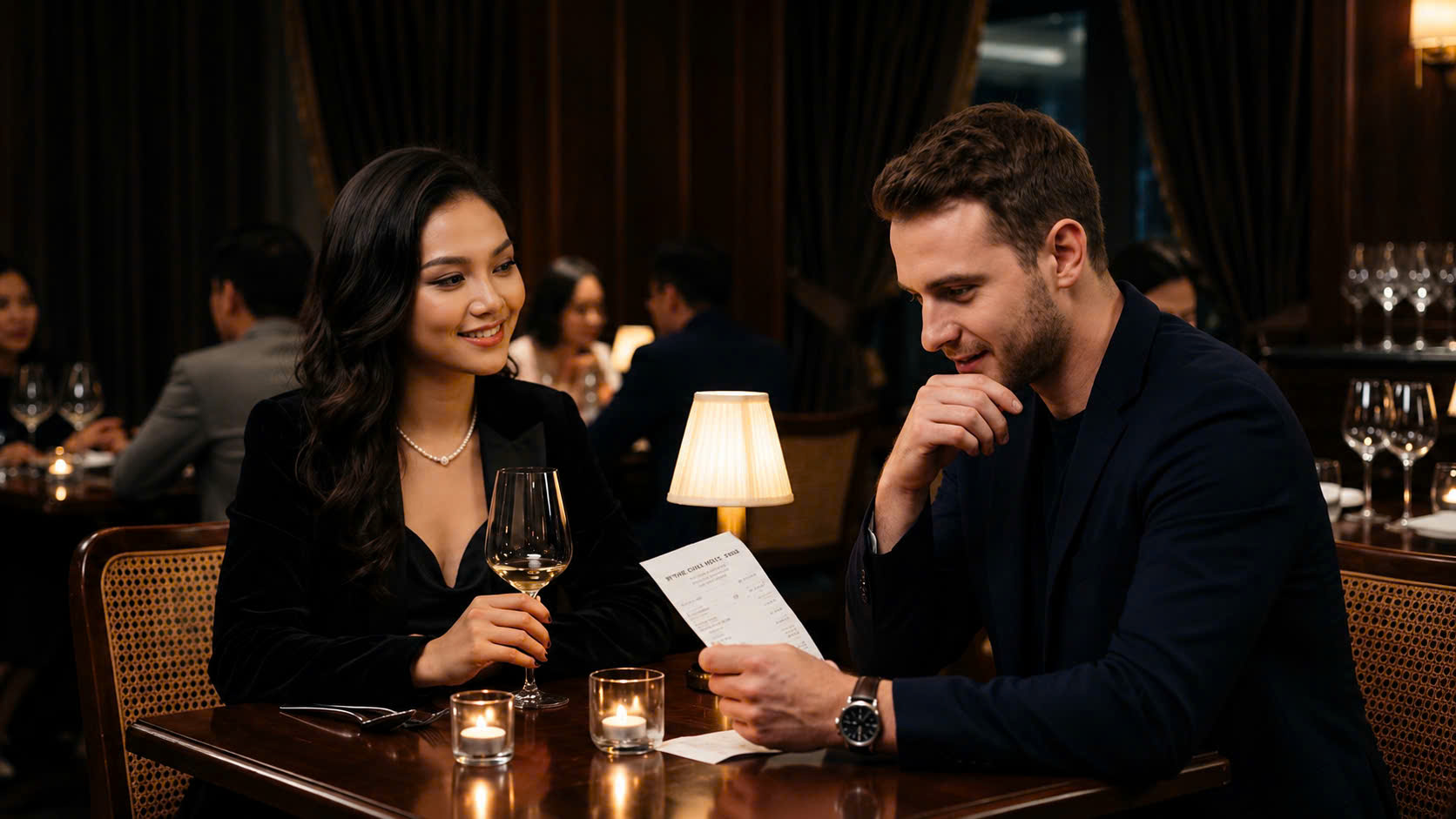
After texting for a few weeks, we decided to meet in person. The conversation flowed naturally. She was articulate, drank fine wine, and effortlessly chose high-end restaurants where dinner for two easily topped $150 to $200. I didn’t mind paying; I wanted to impress her, and I appreciated a woman who enjoyed the finer things in life.
However, there was one strange detail right off the bat: her appearance.
She practiced heavy, intricate makeup artistry. Every single time we met, she looked like an entirely different person. It felt as though I was dating a shape-shifter; after four dates, I realized I still had no idea what her natural face actually looked like. But that was just a minor quirk compared to the emotional red flags that were about to unfold.
From Subtle Hints to Financial Exploitation
It didn’t take long for the mask—both literal and figurative—to slip.
During our conversations, she constantly brought up her expensive taste in fashion, luxury skincare products, and designer cosmetics. She would casually drop brand names, emphasizing that her routine items cost hundreds of dollars each. Then came the subtle coercion.
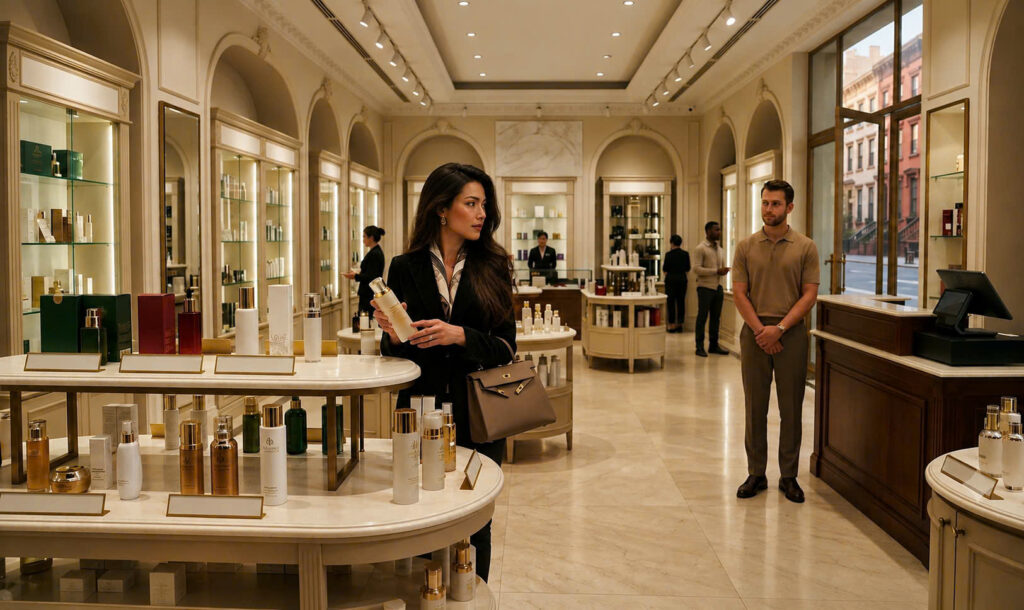
“You know,” she would say with a sweet smile, “if a man truly loves a woman, he shows his devotion by investing in her beauty and pampering her with these gifts.”
Whenever she went online shopping or stood in line at a boutique, she would send me screenshots or text me in real-time. She never asked directly for money, but the implication was crystal clear: Pay for this if you want to prove your worth. I chose to play deaf and blind to these passive-aggressive nudges.
The real test came after our dinner dates. She would almost always steer our evening walk toward luxury retail centers. She acted like a seasoned stylist, browsing high-end shelves while secretly monitoring my face to gauge my reactions.
On one occasion, feeling generous and wanting to test the waters, I covered her $100 cosmetic bill. The change in her demeanor was instantaneous—she became incredibly affectionate, bright, and responsive.
Conversely, on dates where I declined to purchase her shopping items, she would cold-shoulder me for the next two days, citing that she was “suddenly overwhelmed with work.”
I began to notice a glaring contradiction. For someone who projected an image of financial independence and high income online, she seemed chronically broke in reality. She was essentially living a lifestyle she couldn’t afford, searching for a sponsor to underwrite her aesthetic existence.
The Toxic Marriage Philosophy: “What’s Yours Is Ours, What’s Mine Is Mine”
Despite the growing hesitation in my gut, I decided to give her one last benefit of the doubt. I wanted to see if we shared core life values, so I brought up the topic of marriage, family, and future expectations.
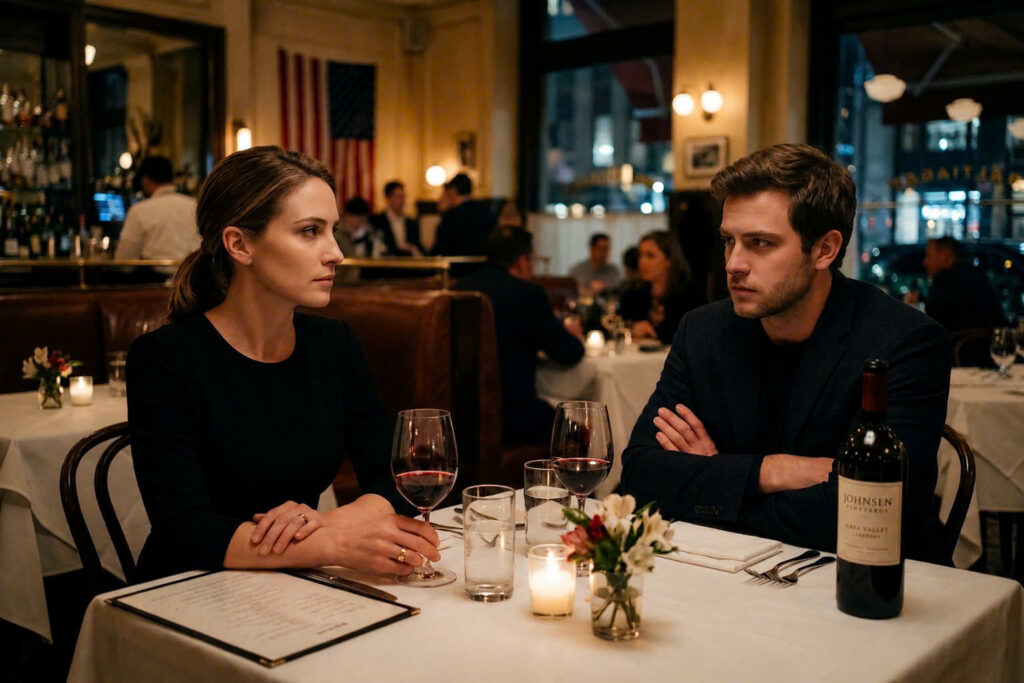
What followed wasn’t just a difference in opinion—it was an absolute masterclass in relationship toxicity.
When I asked about her vision for a future household, she laid out her terms without a flinch:
“In a marriage, the husband must cover 100% of the financial responsibilities. He buys the house, pays off the cars, covers all child-rearing costs, pays for living expenses, and provides the wife with a personal allowance. The wife shouldn’t contribute a single penny. She can work if she wants to, just for fun, but her income stays in her private bank account. Oh, but all real estate and assets must be legally registered in joint names.”
I sat there, stunned by the sheer asymmetry of her logic. She went on to explain her rationale:
“Women bear the physical burden of pregnancy and childbirth, which damages their bodies and halts their career progression. Since the husband’s family ‘benefits’ from continuing their lineage, the husband and his entire extended family are obligated to cater to the wife completely. Furthermore, once a man starts a family, his wife and children are his only priority—his aging parents should be put on the back burner.”
I took a breath and tried to introduce a logical counter-perspective.
“Childbirth is undeniably a profound sacrifice,” I replied carefully. “But a child belongs to both parents. In fact, mothers usually share a much deeper initial bond with their children. Why should the husband and his family carry 100% of the financial liability for a shared decision?”
Her answer was cold: “Because the child carries the father’s last name and continues his family line. The father doesn’t have to carry a baby for nine months.”
“Okay,” I pressed on, testing her double standards. “Let’s flip the script. Hypothetically, if the child takes the mother’s last name, carries her family lineage, and I handle the primary caretaking… would you, as the mother, step up to cover 100% of the home purchase, buy the cars, support me financially, and still put my name on all your property deeds?”
She scoffed, looking at me with pure disdain.
“Are you really sitting here trying to bargain and compete with a woman?” she sneered. “A man who lets his wife carry the financial load isn’t a man at all. He’s useless.”
Walking Away from the “Sponsor Culture”
That single statement was the end of the line for me. I paid the bill, drove her home in silence, and ended the relationship right then and there. Over the next few days, she attempted to text me multiple times, pretending nothing had happened. I promptly blocked her number across all platforms.
I am a traditional man in many ways. I fully intend to cherish my future wife, work hard, provide for my family, and share the burdens of life. But there is a massive difference between mutual partnership and financial parasitism.
What this experience taught me is that a dangerous subset of modern dating culture has commodified relationships. Influenced by internet echo chambers, some individuals have conflated “being cherished” with “being financially sponsored.” They demand traditional male chivalry and financial coverage while completely rejecting traditional female contributions, all under the guise of empowerment.
Relationships are built on reciprocity, shared sacrifices, and mutual respect. A marriage is not a hostile business takeover where one partner liabilities everything while the other demands total ownership of the assets. Furthermore, any woman who demands that I demote my aging parents—who raised me with love and sacrifice—to secondary citizens is someone who lacks basic empathy.
To my fellow men navigating the modern dating scene: pay close attention to how a person views money, responsibility, and family obligations early on. Look past the polished social media stories, the aesthetic coffee shots, and the flawless makeup.
When someone shows you that they are looking for a bank account rather than a soulmate, believe them the first time—and walk away.