

When I first noticed my child taking money from my purse, I thought I’d simply misplaced it. But when cash started disappearing from our kitchen counter and jacket pockets again and again, my husband and I had to face an uncomfortable possibility: our 12-year-old son was taking it.
What made it harder to understand was where the money was going. He wasn’t buying video games or sneaking out with older kids. He was spending it on fishing gear—and the more we tried to stop the behavior, the more confused we became about what to do next.
We tried having serious family meetings. We sat him down to explain right from wrong, took away privileges, and even promised to buy him what he needed if he just asked. We even started giving him a small weekly allowance. Yet, the problem persisted. He would promise to do better, teary-eyed, only to make the same poor choice a few days later.
Desperate and losing sleep over this, I began reading through various parenting discussions to see how other families handle a child taking money without permission.
The Real Reason Behind the Missing Money
One common question parents often ask in these situations is what a 7th grader actually needs that much cash for.
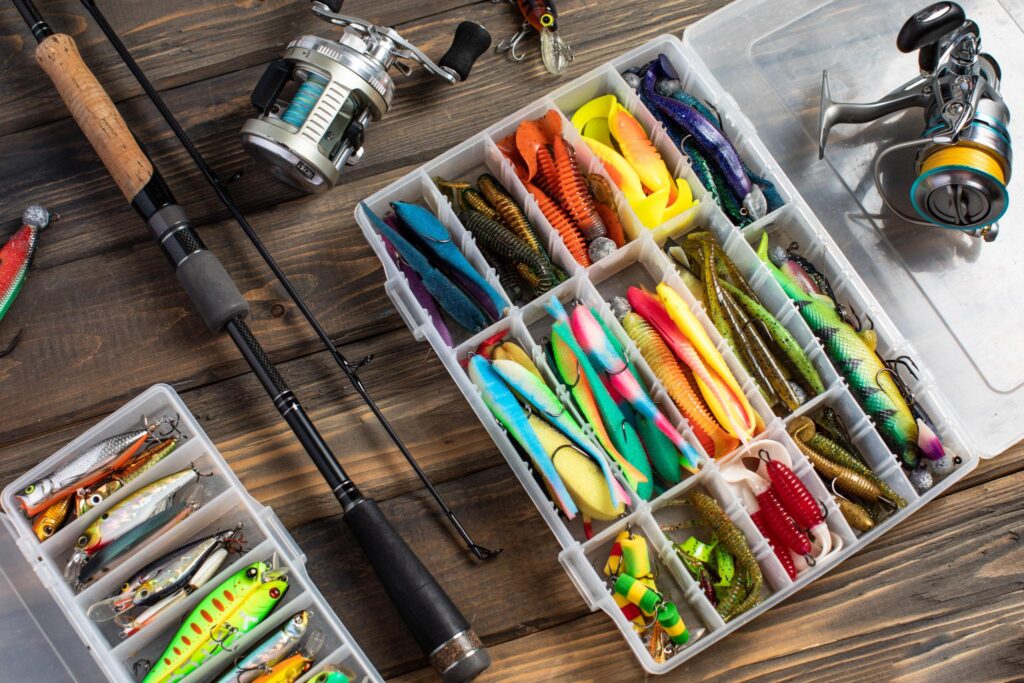
When I looked closer into my son’s daily routines, the puzzle pieces finally came together. His interest in fishing had simply become expensive.
What started as a simple weekend hobby quickly turned into a costly passion. The money he was taking went straight toward high-end lures, fancy rods, and specialized tackle gear. He wanted the same equipment he saw older kids using at the local fishing spot. He was making poor choices with money to fit in with his peers, and as a family, we needed to address that head-on without ruining our relationship with him.
Other parents sharing their experiences noted similar patterns. At this age, middle schoolers often take money for specific, immediate wants—whether it’s gaming purchases, snacks, or trending items—without fully grasping the long-term impact on family trust.
Conflicting Perspectives on How to Respond
As I searched for solutions, I noticed two very different approaches to handling this behavior.
Some people suggested involving the police or taking the child to a local station for a stern talk to frighten him into stopping, arguing that he needed to learn about law and order before the habit escalated outside the home.
However, many experienced parents and counselors strongly warned that using fear and intimidation rarely builds genuine moral understanding. They pointed out that scaring a child often creates resentment and anxiety rather than true accountability.
In our home, we decided that threats wouldn’t teach our son integrity. We wanted to focus on firm boundaries and actual responsibility rather than control through fear.
How We Are Handling It Step-by-Step
Instead of relying on harsh punishments or empty threats, my husband and I implemented a practical plan to help our son make better decisions:
1. Removing the Immediate Temptation
First, we stopped testing his willpower. Cash, credit cards, and wallets are now kept securely out of sight. By keeping money off the counters and out of loose pockets, we removed the easy opportunity.
2. Getting Involved in His Hobby
We realized that outright banning fishing would only push him to hide things from us. Instead, my husband started joining him on his fishing trips. By stepping into his world, we can set reasonable limits on spending, guide his choices, and keep his hobby enjoyable without letting it run out of control.
3. Teaching Financial Responsibility
We stopped handing out extra money for new gear. If he wants a specific lure or rod, he now earns it through an agreed-upon chore system—like washing the car, yard work, or extra household tasks. Learning how much effort goes into earning twenty dollars helps him appreciate the value of money.
4. Helping Him Understand the Impact
Instead of hiding something he loved to teach him a lesson, we sat down and talked about what it feels like when trust is broken. We asked him to imagine how he would feel if someone took his favorite fishing gear without asking, explaining that the same sense of frustration and betrayal happens when family money disappears.
We also made it clear that he needed to take responsibility for the money he had taken, setting up a fair plan for him to earn it back and repay us.
Parenting a middle schooler through a problem like this is exhausting. It can leave you questioning where you went wrong.
But taking money without permission doesn’t have to define who my son becomes. He isn’t a bad kid; he is a 12-year-old learning how to navigate peer pressure and impulse control. He needs firm boundaries, a chance to make things right, and adults willing to help him understand why his choices matter.
We’re still working through it. I don’t expect one conversation to fix everything, but I hope consistency, accountability, and patience will help him make better decisions moving forward.