
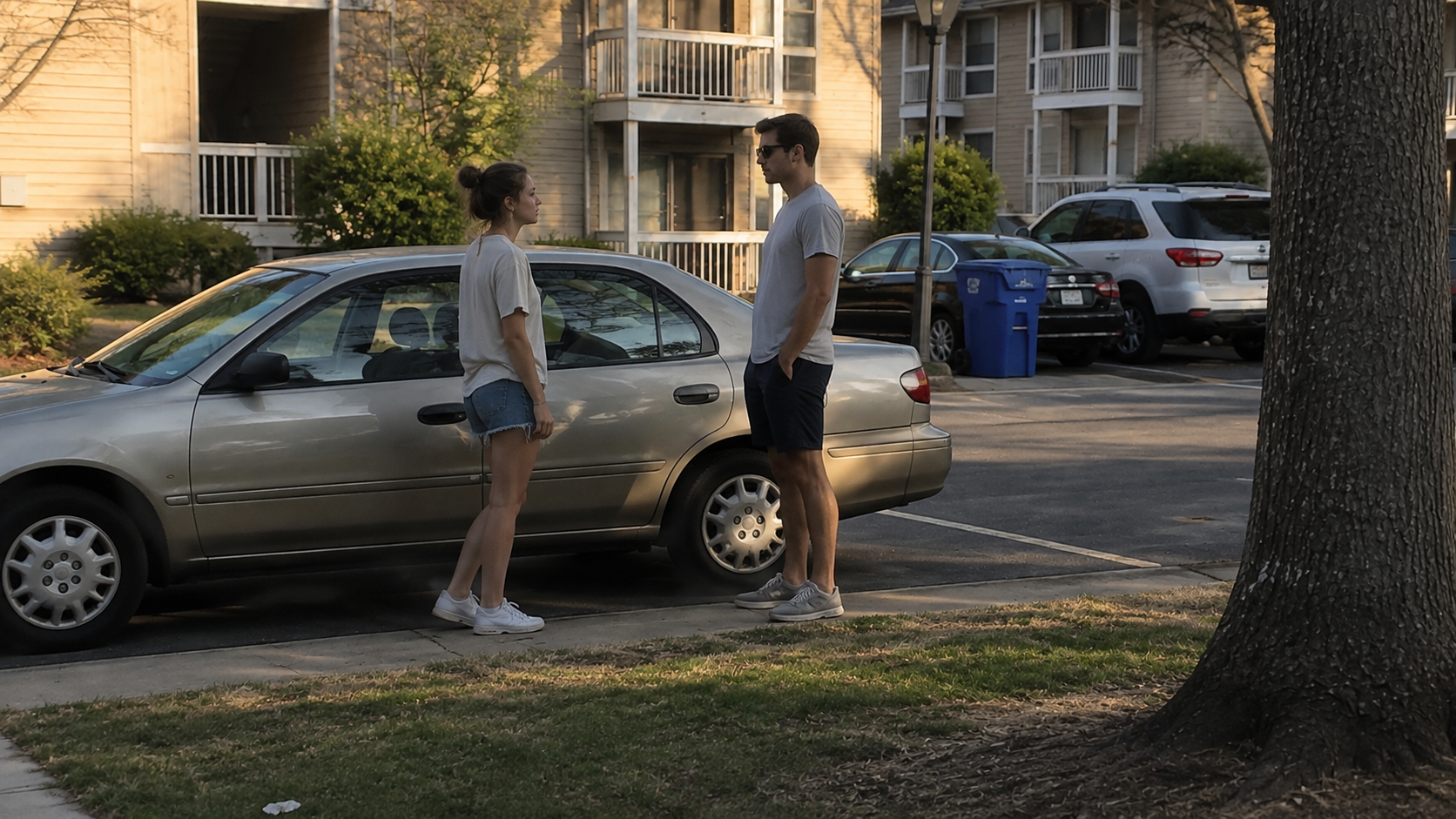
Learning how to deal with relationship regret is something I never thought I would have to figure out the hard way. We had been together for over two years. He was a gentle guy, serious about our relationship, and always willing to meet me halfway. As for me, it was the opposite; I had a rather hot temper, and whenever I got angry, I usually spoke before thinking. There were times when the two of us argued, and even though I said harsh things, he still took the initiative to make peace. Perhaps because he gave in to me so much, I gradually began to take it for granted.
Looking back, I think the problem was that I slowly stopped seeing his patience as something he was choosing to give me. It became part of the relationship, something I simply expected to always be there. Whenever we argued, I assumed he would cool down first, reach out first, and eventually make things normal again. I never really stopped to ask myself how much those arguments were costing him emotionally because, from my side, everything always seemed to recover. I confused his willingness to forgive me with proof that my words hadn’t hurt him that badly.
About two months ago, we argued over a very small matter. He suggested that I should tone down my temper, but I thought he was lecturing me, so I blurted out: “Do you think you’re so great? Sometimes I don’t even know why I love you…” As soon as I said it, I even hung up and blocked him on social media because I wanted him to back down first. But this time, he didn’t come after me like he always had.
At first, I wasn’t worried at all. In fact, part of me was stubbornly waiting for him to prove that I mattered more. I kept checking my phone, expecting to see his name appear the way it always had after our previous arguments. The first day passed, then the second. I told myself he was probably just angry and needed time. Even when the silence started feeling unusual, I still didn’t reach out. My pride kept telling me that if I contacted him first, I would somehow be admitting that I was the one who had been wrong.
A few days later, he texted saying he wanted to meet in person to talk. Just at that time, I was busy with a project, so I kept postponing it. I thought that since he loved me so much, meeting a few days later wouldn’t matter.
The Week I Realized My Pride Cost Me Everything

Nearly three weeks later, I took the initiative to contact him, and he agreed to meet. I thought he would make peace again, but unexpectedly, he said he wanted to stop.
I remember sitting across from him and immediately noticing that something felt different. He wasn’t angry, and somehow that made it worse. I had seen him upset before, but this time he seemed calm in a way I wasn’t prepared for. It was as if he had already spent the past few weeks having the conversations with himself that I had been avoiding. While I was still thinking of our silence as another temporary fight, he had apparently started imagining what his life might look like without constantly waiting for the next argument between us.
He shared that during the time we weren’t talking, a female coworker had started talking to him regularly and sharing things about their lives. The two of them had known each other before, and she also had feelings for him. He admitted he still loved me but said he was too exhausted from always having to be the one to back down, while the words I said in anger made him feel unrespected. Now, he wanted to get to know that girl and didn’t want to continue our relationship anymore.
At that moment, I truly panicked. I apologized, saying those words were just spoken in anger and I never genuinely thought that way. I promised to change, but he only said: “Some apologies can make someone stop being angry, but they cannot make someone forget the feeling of being hurt.”
The hardest part is knowing that I can’t even blame him for reaching this point. For so long, I treated every apology like a reset button. I thought that if I said I was sorry and promised to do better, then eventually everything would return to normal. But maybe relationships don’t always work that way. Maybe there comes a point when someone has forgiven you so many times that they simply don’t have anything left to give.
I keep wondering whether people can really change after they finally understand what they’ve lost, or whether realizing it too late is simply part of the consequence. I know saying that I will change now might sound convenient because I only started taking my behavior seriously after I was the one left behind. Still, I wish I could go back to that one argument and choose my words differently. Not because I think one sentence alone destroyed our relationship, but because I now realize it was probably one more wound added to a collection I had spent years pretending wasn’t there.